
4 Ways Dementia Nursing Homes in Singapore Support Specialised Senior Care
- Health
Michael Burden
- 0
- 5 minutes read
Key Highlights
- Specialised environments are designed with “wayfinding” features to reduce confusion and anxiety for residents.
- Staff members receive specific training in de-escalation and communication for dementia-related behaviours.
- Therapeutic activities, such as reminiscence therapy, are used to maintain cognitive function and emotional well-being.
- Enhanced security measures, including wandering detection systems, ensure resident safety without feeling restrictive.
Introduction
Dementia is a journey that requires a unique approach to care, one that balances medical necessity with deep emotional empathy. As the condition progresses, the standard model of senior care may no longer be sufficient for families navigating questions about when to put an elderly parent in a nursing home, which has led to the rise of the specialised dementia nursing home in Singapore, a facility specifically engineered to support those with Alzheimer’s and other forms of cognitive decline. Unlike general aged care, these homes focus on creating a world that makes sense to someone whose memory is fading. By integrating specific architectural features, specialised staff training, and targeted therapies, these facilities provide a sanctuary where residents can live with dignity and safety.
1. Purpose-Built Environments for Reduced Confusion
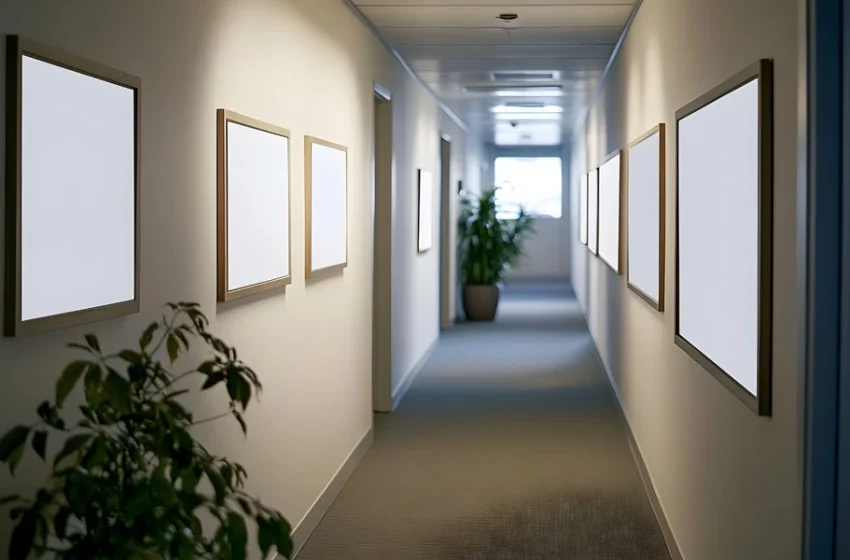
The physical layout of a dementia nursing home in Singapore is one of its most critical features. People with dementia often struggle with spatial awareness and can become easily overwhelmed by complex corridors or sterile environments. Specialised homes use “wayfinding” techniques, such as colour-coded doors, clear signage with symbols, and memory boxes outside bedrooms containing personal photos. These visual cues help residents navigate independently, which significantly reduces the frustration and “sundowning” effect often associated with the condition. By creating a circular walking path and avoiding dead ends, the architecture allows for safe wandering, a common symptom of dementia, without the risk of the resident getting lost or trapped.
2. Expert Staff Training in Behavioural Management
Providing high-quality senior care for those with dementia requires a specific set of skills that go beyond traditional nursing. Staff in a specialised dementia ward are trained in “Validation Therapy” and other communication techniques that focus on the resident’s feelings rather than their reality. For example, if a resident is distressed because they want to go home to their parents, the staff are trained to engage with the emotion of that desire rather than simply correcting the facts. This empathetic approach prevents unnecessary agitation and builds trust. Moreover, the staff-to-resident ratio is typically higher, ensuring that help is available the moment a resident shows signs of distress or confusion, preventing escalations before they start.
3. Cognitive Stimulation and Reminiscence Therapy
Engagement is a cornerstone of effective senior care in a memory-focused environment, distinct from the social interaction offered at a centre for seniors. A dementia nursing home in Singapore will often feature dedicated rooms for reminiscence therapy, filled with items from the 1950s, 60s, and 70s. These familiar objects can trigger long-term memories, providing residents with a sense of comfort and identity. Music therapy, sensory gardens, and tactile activities like folding laundry or gardening are also integrated into the daily routine. These tasks are not just about passing time; they are designed to maintain motor skills and provide a sense of purpose. When a resident feels useful and engaged, their overall mood improves, and the need for pharmacological interventions often decreases.
4. Advanced Safety and Security Protocols
Safety is a paramount concern for families when choosing a home for a loved one who may wander. A specialised dementia nursing home in Singapore employs a “safe and secure” philosophy that uses technology to protect residents without using physical restraints. Many facilities use discreet wearable sensors that alert staff if a resident approaches an exit or enters a restricted area. This allows residents the freedom to move around the internal gardens and common areas while ensuring they cannot accidentally leave the premises. This balance of freedom and security is essential for maintaining the resident’s physical health and their sense of autonomy, providing peace of mind for their family members.
Conclusion
Caring for a loved one with dementia is an evolving challenge that requires a community of support. A specialised nursing facility offers more than just a bed; it offers a tailored world where the unique symptoms of memory loss are understood and managed with grace. From the layout of the building to the specific way a nurse speaks to a resident, every detail is aimed at preserving the individual’s quality of life. By choosing a home that specialises in this area, families ensure that their elders are not just being watched, but are being truly cared for in a way that respects their past and protects their present.
To learn more about our memory care programs and how we support families, contact Orange Valley today.
