
Can You Switch from Standard Hair Dye to Organic Without Colour Problems?
- Hair Care
Paul Petersen
- 0
- 5 minutes read
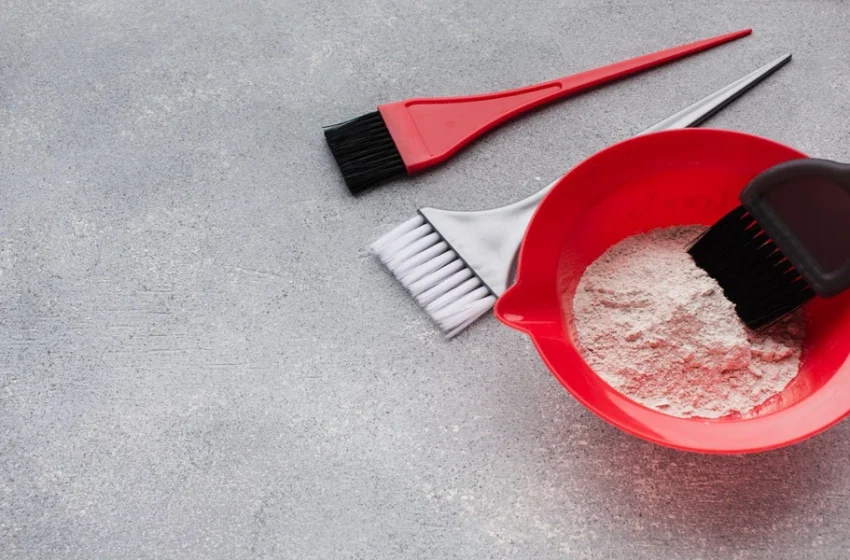
Many people who colour their hair regularly start looking for alternatives, often after years of using conventional dyes to cover grey. Organic and plant-based colour products are commonly chosen by those who want fewer synthetic ingredients or who have noticed scalp discomfort. Whether the colouring is part of a wider grey hair treatment routine or simply a change of product, switching is usually possible, but the results are not always predictable. Hair that has been coloured with conventional dye behaves differently from untreated hair, and understanding why can help you avoid unwanted surprises.
Why Colour Problems Can Happen
Conventional and organic dyes work in different ways. Most permanent dyes use chemicals to open the hair cuticle and deposit colour inside the strand, while many plant-based products coat the outside of the hair. This difference can lead to issues such as these:
- Uneven colour where old dye and new colour overlap along the lengths.
- Darker or duller results on previously coloured sections compared with new growth at the roots.
- Unexpected tones, such as orange or green, when certain plant dyes react with chemical residue.
- Colour that fades at different rates on different parts of the hair.
Checking What Is Already on Your Hair
The condition and history of your hair affect how it will take new colour. Before switching, it helps to review factors like these:
- How recently you last used permanent or semi-permanent dye.
- Whether your hair has been bleached, lightened or highlighted.
- Any past use of henna products that may contain metallic salts, which can react with chemical treatments.
- Previous perming, relaxing or keratin treatments.
- Any colour-depositing shampoos or glosses used between appointments.
- How porous or dry the lengths feel compared with the roots.
Grey Coverage and Shade Expectations
Grey hair can be more resistant to colour, and plant-based products may cover it differently from conventional dye. People who switch to organic hair colour often find that results vary depending on factors such as these:
- The percentage of grey hair, with higher amounts sometimes needing more than one application.
- Shade range, which may be narrower than with conventional dyes, especially for lighter or cool tones.
- Development time, which can be longer for plant-based formulas.
- Whether the product is a single plant dye or a blend, such as henna combined with indigo.
Planning the Transition
A gradual approach can reduce the risk of patchy or unexpected results. Before committing to a full application, consider steps like these:
- Doing a strand test on a hidden section of hair to check the final shade.
- Applying the new colour to the roots first and letting previously dyed lengths grow out or be trimmed over time.
- Allowing a gap of several weeks after your last conventional dye session.
- Doing a patch test on the skin, since some products labelled organic may still contain PPD or other synthetic dyes.
- Asking a stylist familiar with plant-based colour to assess your hair before the first session.
Caring for Hair After the Switch
Once you have made the change, your care routine may need small adjustments to keep the colour even. Habits to consider include the following:
- Using sulphate-free shampoos that are less likely to strip colour.
- Rinsing with cool or lukewarm water rather than hot water.
- Avoiding chemical treatments, such as bleaching or perming, soon after using plant dyes.
- Refreshing roots with the same product rather than switching brands between sessions.
- Keeping a record of the product, shade and timing used so results can be repeated.
Making the Change Gradually
Switching from conventional dye to organic colour is often possible, but it takes planning and some patience. Checking your hair’s history, testing products beforehand and allowing previous colour to grow out can lower the chances of uneven or unexpected results.
Thinking of moving to organic hair colour? Contact Bio Organicare to discuss your colour history before your first session.
