
Understanding Stubborn Fat, Body Shape and Non-Invasive Treatments
- Weight Loss
Paul Petersen
- 0
- 6 minutes read
You follow a regular exercise routine, pay attention to your meals, and still notice that certain areas of your body look unchanged. Your waist, hips, thighs, or upper arms may hold more fullness than you would prefer. This can feel frustrating, especially when other parts of your body respond to lifestyle changes. However, body shape is influenced by more than exercise and food choices. Genetics, hormones, age, and natural fat distribution all play a part. Understanding these differences makes it easier to set realistic goals and explore suitable options without putting unnecessary pressure on yourself.
Key Takeaways
- Stubborn fat refers to areas that remain relatively unchanged despite healthy lifestyle habits.
- Genetics, hormones, age, and body fat distribution influence individual shape.
- Exercise and balanced nutrition support overall health but cannot control exactly where fat is lost.
- Non-invasive body contouring treatments use different methods to target local areas.
- Treatment results vary, and these procedures are not substitutes for weight management.
- A qualified professional can help assess suitability, possible risks, and expected outcomes.
Why Some Areas Change More Slowly
The body does not store or use fat in the same way everywhere. Some people naturally carry more fullness around the abdomen, while others notice it around the hips, thighs, or upper arms. Family traits and hormones influence these patterns.
Fat cells also respond differently across body regions. During weight changes, the body draws on stored energy, but it does not allow people to choose the exact area where fat loss occurs. This explains why doing hundreds of abdominal exercises does not specifically remove fat from the waist.
Age can add another layer. Changes in muscle mass, hormone levels, and daily activity may affect body composition over time. Even when weight stays similar, the way clothes fit can change.
Body contouring conversations often include different approaches to skin and body care. Celluma Red Light Therapy brings a light-based element to this wider wellness space, giving people another area to explore when learning about non-invasive treatments. Its role, however, is different from procedures specifically designed to reduce local fat deposits.
Body Contouring Is About Local Shape
Body contouring focuses on changing the appearance of selected areas rather than producing major weight loss. It may suit people who are close to their preferred weight but remain concerned about small pockets of fat or uneven contours.
Different procedures work in different ways. Some use cooling to affect fat cells, while others use heat, ultrasound energy, or laser-based methods. The choice depends on the treatment area, individual health, skin condition, and desired outcome.
These procedures do not all produce the same results. Some focus on reducing local fat, while others aim to improve the appearance of skin firmness. A consultation helps establish what a particular treatment can realistically achieve.
What Happens During Non-Invasive Treatments?
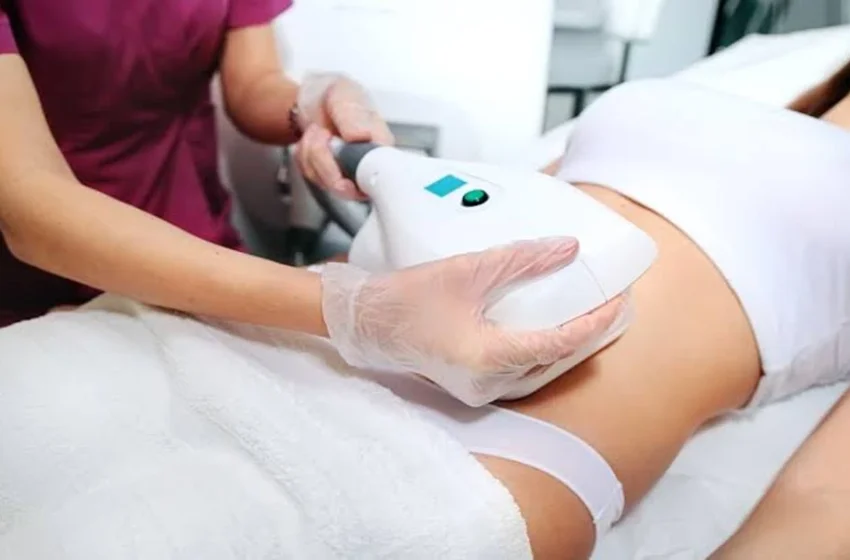
Non-invasive procedures are designed to work without surgical incisions. Depending on the method, a session may involve an applicator placed against the skin or a device that delivers controlled energy to a selected area.
Cooling-based treatments: Certain procedures use controlled cooling to affect fat cells in a targeted area. The body gradually processes the affected cells over time.
Radiofrequency treatments: These use heat energy and are often selected for skin-focused treatments. Their effects depend on the device and treatment plan.
Ultrasound-based procedures: Focused sound energy is used by some devices to target tissue beneath the skin. The treatment area and settings require professional assessment.
Laser-based options: Some systems use laser energy for body contouring. The method, expected results, and possible side effects vary between devices.
A treatment being non-invasive does not mean it is risk-free. Temporary swelling, tenderness, redness, bruising, or other side effects may occur. Always check the qualifications of the provider and the safety information for the specific device.
Where Light-Based Wellness Fits
Red light therapy uses selected wavelengths of light and has been studied for several skin and wellness applications. Its role in body contouring remains different from established fat-reduction procedures. It should not be assumed to remove stubborn fat, and claims about body-shaping results need careful evaluation.
Healthy Habits Still Shape the Bigger Picture
Professional treatments cannot replace the everyday habits that support overall wellbeing. Regular movement helps maintain muscle strength, while balanced meals provide energy and essential nutrients. Sleep and stress management also contribute to general health.
Strength training can be particularly useful for improving muscle tone and changing how the body looks. Walking, cycling, swimming, and other enjoyable activities can help people stay active without relying on extreme routines.
It is also worth avoiding quick-fix plans or aggressive weight-loss methods. Rapid changes are not always sustainable, and they do not guarantee the body shape someone expects.
Choosing an Approach That Makes Sense
Before booking a procedure, consider what you want to change and whether the concern relates to local fat, loose skin, or overall body composition. These issues may need different approaches. A qualified healthcare or aesthetic professional can review your health history, explain available options, and discuss realistic outcomes.
Stubborn areas do not mean that your lifestyle efforts have failed. Body shape is individual, and no single treatment works for everyone. Understanding the difference between fat reduction, skin-focused care, and general wellness can help you make informed decisions based on your needs rather than unrealistic promises.
