
Endoscopic Spine Surgery: How It Works and Who It’s For
- Surgery
Michael Burden
- 0
- 6 minutes read
Key Takeaways
- This surgical technique preserves the natural structure of the spinal muscles and ligaments by using a tiny incision and a high-definition camera.
- Most patients experience a significantly faster recovery period and lower post-operative pain levels compared to traditional open back surgery.
- Determining candidacy for the procedure requires a comprehensive evaluation of the patient’s pathology, including MRI scans and physical examinations.
Introduction
Chronic back and neck pain often stems from structural issues like herniated discs or spinal stenosis that compress sensitive nerve roots. When conservative treatments like physiotherapy and medication fail to provide relief, a spine specialist may suggest surgical intervention. In recent years, endoscopic spine surgery has emerged as a functional alternative to traditional open procedures. This method prioritises the preservation of healthy tissue, allowing the surgeon to address the underlying problem with minimal disruption to the body. By utilising a specialised tube and a tiny camera, medical teams can visualise the internal structures of the spine with extreme clarity. This technological evolution has transformed the surgical experience for many, turning what used to be a major hospital stay into a manageable day-surgery process.
The Technical Process and Surgical Mechanics
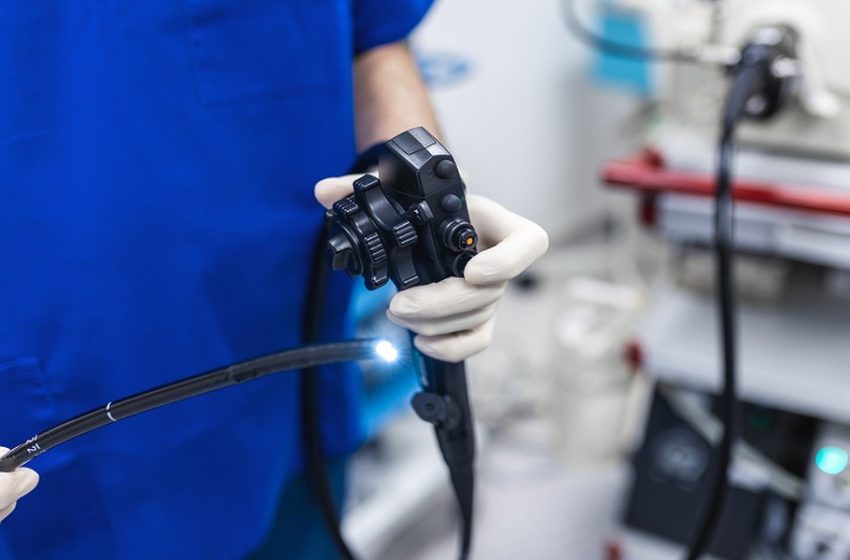
The core of endoscopic spine surgery involves the use of an endoscope, which is a thin instrument equipped with a light source and a high-definition lens. The surgeon creates a small incision, usually less than one centimetre, and inserts a tubular retractor to create a portal to the spine. Unlike traditional surgery, which requires the separation of large muscle groups from the bone, the endoscope pushes through the natural gaps in the muscle fibres. Medical specialists from Achieve Spine & Orthopaedic Centre utilise this muscle-sparing technique to reduce the risk of internal scarring and post-operative weakness. The camera transmits live, magnified images to a monitor in the operating room, providing the surgeon with a detailed view of the nerves, ligaments, and disc material.
Once the surgeon establishes the surgical portal, they use microsurgical tools to remove the offending tissue, such as a bone spur or a fragment of a ruptured disc. Throughout the procedure, a continuous flow of sterile saline irrigation keeps the surgical field clean and reduces the risk of infection. Because the surgeon maintains direct visualisation of the neural structures at all times, they can perform the decompression with high levels of precision. Achieve Spine & Orthopaedic Centre emphasises that this direct view helps avoid the collateral damage often associated with wider incisions. Once the decompression is complete, the surgeon removes the instruments and closes the tiny wound with a single stitch or a surgical adhesive. This streamlined mechanical process minimises blood loss and allows the patient to mobilise almost immediately after the anaesthesia wears off.
Identifying Ideal Candidates and Patient Benefits
Not every individual with back pain requires surgery, and even those who do must meet specific criteria for an endoscopic approach. A spine specialist recommends this procedure for patients suffering from radiculopathy, caused by disc protrusions or foraminal narrowing. It proves particularly effective for those who have not found relief through non-invasive means but wish to avoid the long recovery times of spinal fusion or laminectomy. Achieve Spine & Orthopaedic Centre conducts thorough diagnostic imaging to ensure that the patient’s spinal anatomy is compatible with the endoscopic portal. Patients with severe spinal instability or multi-level complex deformities may still require more traditional surgical methods to achieve long-term stability.
The primary benefits for the patient involve a drastic reduction in recovery time and a lower dependency on post-operative pain medication. Because the procedure spares the back muscles, patients typically report less soreness and a faster return to daily activities and work. The small incision also leaves minimal scarring and reduces the risk of long-term complications like failed back surgery syndrome, which sometimes occurs after more invasive operations. Many individuals appreciate the ability to undergo the surgery under local anaesthesia or conscious sedation, which avoids the systemic risks associated with general anaesthesia. By focusing on targeted repair rather than a broad structural overhaul, endoscopic spine surgery offers a balanced solution that respects the body’s natural biomechanics while providing the necessary relief from debilitating nerve compression.
5 Advantages of the Endoscopic Approach
- Minimal Scarring – The procedure uses an incision so small that it often requires only a small adhesive bandage for closure.
- Preserved Mobility – Keeping the spinal muscles intact helps maintain the natural range of motion and strength of the back.
- Lower Infection Rates – Smaller wounds and shorter operative times significantly decrease the chance of hospital-acquired infections.
- Rapid Discharge – Most patients return home on the same day, avoiding the costs and inconvenience of an overnight hospital stay.
- Reduced Blood Loss – The precise nature of the endoscope and the use of saline irrigation result in negligible bleeding during the operation.
Conclusion
The development of endoscopic spine surgery represents a major shift toward more patient-centric and less traumatic surgical care. By combining high-definition visualisation with micro-tools, a spine specialist can achieve the same therapeutic goals as open surgery with far fewer side effects. https://prnt.sc/6O18kBKGIhY5While the technology is impressive, the success of the outcome remains dependent on an accurate diagnosis and a tailored treatment plan. If you struggle with persistent nerve pain that limits your quality of life, exploring these minimally invasive techniques is a logical next step. Modern spinal care no longer necessitates the long, painful recoveries of the past. With the right surgical approach, you can look forward to a faster return to your routine and a significant reduction in the symptoms that hold you back.
Contact Achieve Spine & Orthopaedic Centre to consult with a specialist and determine if you are a candidate for endoscopic treatment.
