
When to See an Orthopaedic Surgeon in Singapore for Bunion Pain
- Featured
Sheri gill
- 0
- 6 minutes read
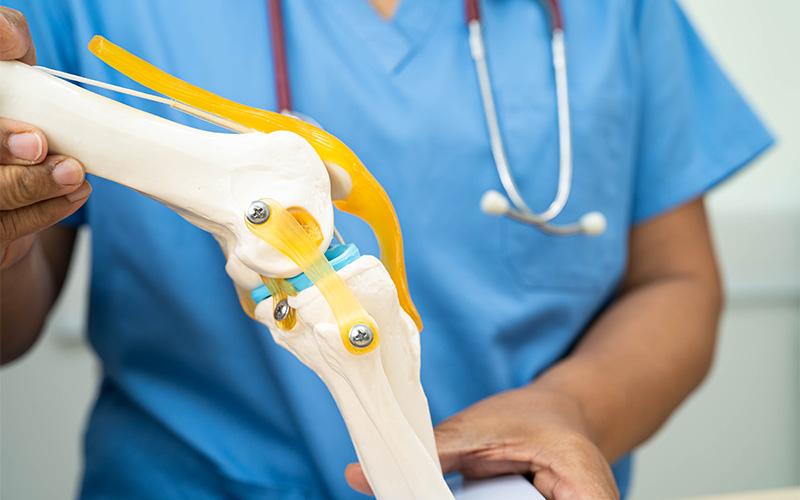
Bunion pain interferes with walking, wearing shoes, and daily activities. For many, early symptoms seem manageable. However, the pain often worsens with time. Recognising the right moment to consult an orthopaedic surgeon in Singapore ensures faster relief and prevents further joint damage.
Identifying Early Bunion Symptoms
Bunions develop slowly. Most people notice a bump forming at the base of their big toe. Redness, swelling, and pain begin surfacing during long walks or after standing. Many delay treatment, assuming over-the-counter options will solve the issue.
Progressive symptoms signal deeper joint misalignment. As bunion pain worsens, walking becomes more difficult. Shoes begin to rub against the protruding bone. Over time, people avoid physical activity to reduce discomfort. This behaviour limits mobility and weakens surrounding joints.
Early-stage bunions respond well to lifestyle changes. Using toe spacers, wearing wide shoes, or applying ice reduces mild swelling. However, persistent pain suggests misalignment deepens beneath the surface. Seeking help early minimises downtime, avoids permanent damage, and restores joint stability.
Understanding Non-Surgical Relief and Its Limitations
Not all bunions require immediate surgery. Most orthopaedic surgeons begin treatment conservatively. Patients often receive custom orthotics, physical therapy guidance, or night splints. These methods work best during the early stages of joint deviation.
Pain management remains central to non-surgical care. Many patients respond well to anti-inflammatory medication, proper footwear, and structured rest. But when bunion pain returns quickly or never disappears, continued conservative treatment may not suffice.
Limitations appear when these methods stop improving daily life. Sharp pain during rest, visible toe shifting, or frequent joint stiffness all indicate deeper joint issues. At this stage, the benefits of non-invasive care diminish. Patients experiencing daily discomfort should consult an orthopaedic surgeon in Singapore to explore more effective solutions.
Knowing When Surgery Becomes Necessary
Surgical correction becomes necessary when bunion pain persists despite proper care. Walking long distances without discomfort becomes impossible. Some even develop corns, calluses, or hammertoes due to altered gait.
Orthopaedic surgeons evaluate X-rays to determine bone displacement. They assess the bunion’s impact on alignment, mobility, and surrounding structures. Surgery may involve realigning bones, removing damaged tissue, or fusing joints.
Ignoring surgical intervention allows bunions to progress. Severe cases alter foot shape permanently and affect balance. Delaying treatment leads to prolonged recovery. Early surgical correction avoids long-term complications, helping patients return to normal function sooner.
Every case differs. Consulting an orthopaedic surgeon in Singapore ensures a tailored evaluation and personalised treatment. Surgeons explain procedure options clearly and help patients choose the right approach based on lifestyle, health, and recovery time.
Preparing for Your Consultation
Visiting an orthopaedic specialist helps patients understand their bunion condition fully. Surgeons assess walking patterns, ask about medical history, and review imaging. Patients should bring footwear commonly worn and note all pain triggers.
The consultation offers clear answers. Surgeons explain whether conservative treatment continues to help or whether surgery provides lasting relief. Preparation ensures efficient diagnosis and reduces unnecessary back-and-forth visits.
Many people hesitate, fearing the outcome or cost of surgery. However, delaying only extends pain and worsens alignment. Visiting early does not commit anyone to surgery. It simply opens a clear path forward. With a clear plan, recovery becomes smoother, faster, and less invasive.
Taking Control of Bunion Pain Early
Bunion pain rarely disappears without attention. Many hope discomfort stays manageable, but progression often proves otherwise. The sooner patients act, the better the outcome. Ignoring signals like persistent swelling, reduced motion, or foot deformity leads to greater intervention later.
Seeing an orthopaedic surgeon in Singapore early ensures appropriate action. Whether the recommendation involves lifestyle changes or surgery, patients move forward confidently. Early care avoids complications and preserves joint function.
Surgery may sound intimidating, but modern techniques reduce scarring, downtime, and recovery challenges. Most return to normal activity in weeks, not months, when they act before severe damage sets in.
Take the first step towards relief. Contact Specialist Orthopaedic Centre to consult an experienced orthopaedic surgeon in Singapore for lasting bunion pain solutions.
