
Why Walking Practice Is Included During Post-Surgical Recovery
- Health
Clare Louise
- 0
- 5 minutes read
Key Highlights
- Walking practice helps patients rebuild confidence after surgery.
- Controlled movement training can improve mobility during rehabilitation.
- Gradual walking progression may reduce stiffness after recovery periods.
- Physiotherapy sessions focus on safer and more stable movement patterns.
Introduction
Movement confidence sometimes changes after surgery, particularly when pain, swelling, stiffness, or muscle weakness affect mobility during recovery. Simple tasks like standing, walking across a room, or climbing stairs may feel difficult during early rehabilitation stages. Recovery plans usually include gradual movement practice designed to improve coordination and rebuild physical confidence over time.
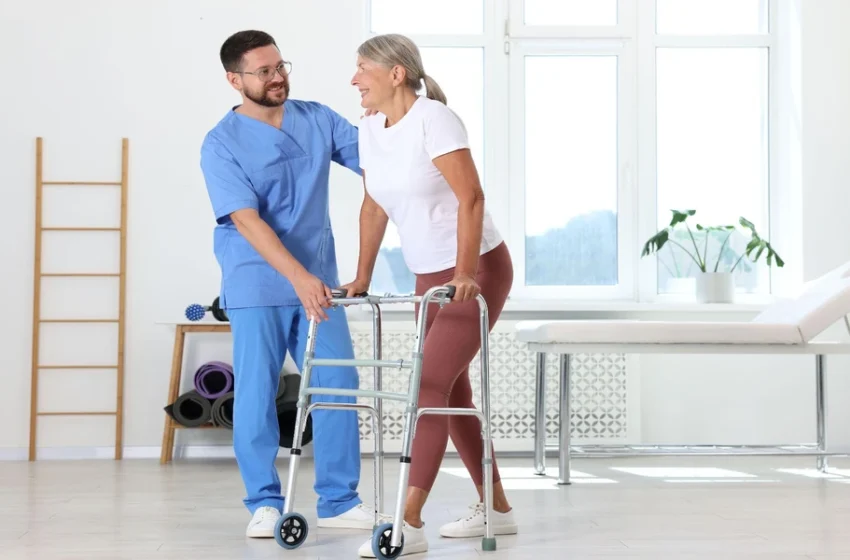
Programmes involving post-op physiotherapy commonly include walking exercises because movement plays a major role during rehabilitation. Controlled walking practice creates opportunities for patients to improve balance, rebuild strength, and restore daily mobility gradually. Sessions involving post-surgical physiotherapy also help therapists monitor movement patterns while adjusting exercises according to recovery progress and physical tolerance.
Walking Encourages Gradual Mobility Recovery
Reduced movement after an operation can contribute to stiffness around joints and soft tissues. Spending long periods resting in bed or sitting for extended hours sometimes makes simple actions feel more uncomfortable. Walking practice introduces controlled motion that helps patients regain mobility gradually.
Therapists usually assess walking posture, step length, balance, and overall movement quality before progressing rehabilitation exercises. Early walking drills may begin with short distances before moving towards longer durations and more dynamic activities, which is a key component of structured post-op physiotherapy.
To ensure safe progression, individuals undergoing post-surgical physiotherapy frequently practise navigating across different surfaces and environments. Rehabilitation exercises may also include turning movements, stair practice, and balance drills linked to everyday mobility. Consistent training creates opportunities for smoother walking patterns over time.
Rebuilding Strength Through Walking Practice
Decreased physical conditioning commonly occurs after a procedure due to reduced activity and recovery-related discomfort. Walking exercises help activate the hips, legs, and core while improving coordination. Force production and endurance usually progress gradually through repeated, supervised practice.
Post-op physiotherapy sometimes combines walking drills with seated exercises, resistance training, and balance work to improve overall physical health. Therapists monitor walking mechanics carefully to reduce unnecessary strain during recovery periods. Controlled progression helps patients improve stability while developing stronger habits.
Correcting compensation patterns that develop during recovery is another primary focus. Some patients shift weight unevenly or avoid certain steps due to discomfort or hesitation. Walking retraining encourages more natural movement patterns, a vital outcome often achieved through dedicated post-surgical physiotherapy.
Improving Balance and Coordination
Equilibrium changes can happen following an operation, particularly when joint stiffness or reduced confidence affects walking patterns. Controlled walking exercises help patients improve coordination gradually while rebuilding stability during standing and daily tasks.
As part of effective post-op physiotherapy, therapists frequently introduce specific balance exercises alongside walking practice. Patients may perform stepping drills, directional changes, or controlled weight-shifting techniques designed to improve body control. Rehabilitation plans are adjusted according to current mobility levels and clinical goals.
Supervised movement training is commonly included in post-surgical physiotherapy because coordination recovery varies widely between individuals. Some people regain their footing quickly, while others require slower progression before feeling comfortable moving independently. Regular practice creates opportunities for steady mobility improvement throughout rehabilitation.
Supporting Daily Activity Recovery
Walking remains an important part of daily life across home, work, and recreational environments. Recovery programmes usually focus on helping patients move more comfortably during everyday routines following their procedure. Controlled practice prepares patients for daily responsibilities gradually.
To simulate real-life demands, patients frequently practise movements connected to household chores, commuting, and community mobility. Walking endurance exercises may also help improve movement tolerance during longer periods of activity, an aspect that is closely monitored during post-op physiotherapy.
Small adjustments to daily routines, often recommended during post-surgical physiotherapy, can significantly influence comfort levels and movement confidence. Therapists might provide advice regarding footwear, activity pacing, and safe habits during recovery. Consistent walking practice contributes to better progression across different recovery stages.
Conclusion
Walking practice remains a major part of post-surgical rehabilitation because movement influences strength, balance, flexibility, and confidence during recovery. Guided physiotherapy sessions help patients rebuild mobility gradually while improving coordination through structured walking exercises and rehabilitation training.
Contact The Movement Laboratory to learn how our customised recovery programmes can support your smooth transition back to daily activities following an operation.
