
Returning to Work, Driving, and Exercise After Knee Replacement Surgery
- Health
Paul Petersen
- 0
- 5 minutes read
Key Takeaways
- Recovery after knee replacement surgery varies according to healing, age, and overall health.
- Returning to work depends largely on job demands and physical readiness.
- Driving should only resume when knee strength, mobility, and reaction time have recovered.
- Low-impact exercise supports rehabilitation and long-term joint function.
- Follow-up appointments with an orthopaedic specialist help monitor recovery and guide activity levels.
Introduction
Recovery continues well after the operation itself. While pain relief and improved mobility are primary goals, returning to work, driving, and exercise require careful planning. Resuming these activities too soon may slow healing or increase the risk of complications. Individuals undergoing knee replacement surgery in Singapore are usually provided with rehabilitation plans that match their condition and recovery progress. Understanding when it is appropriate to return to daily activities helps support a safer and more effective recovery.
Returning to Work
The timing for returning to work depends on the nature of the job. People with desk-based roles may be able to return earlier than those whose work involves heavy lifting, prolonged standing, climbing stairs, or repetitive knee movements. In many cases, employers can support recovery by offering temporary adjustments such as shorter hours or modified duties while strength and mobility continue to improve.
Before returning, patients should be able to walk comfortably, manage swelling, and perform work-related tasks without placing excessive strain on the knee. Fatigue is also common during recovery, so gradually increasing work hours may be more suitable than immediately returning full-time. Discussing job requirements with an orthopaedic specialist helps ensure that returning to work aligns with the patient’s stage of recovery.
Driving After Surgery
Driving requires adequate control of the operated leg, particularly when braking quickly. Patients should regain sufficient knee movement, muscle strength, and reaction time before returning to the driver’s seat. Driving while taking medications that affect alertness should also be avoided until cleared by the treating medical team.
Many patients begin with short drives before attempting longer journeys. They should be able to enter and exit the vehicle comfortably and operate the pedals without pain or hesitation. Individual recovery varies, so there is no single timeline that applies to everyone. Medical clearance provides reassurance that driving can be resumed safely.
Returning to Exercise
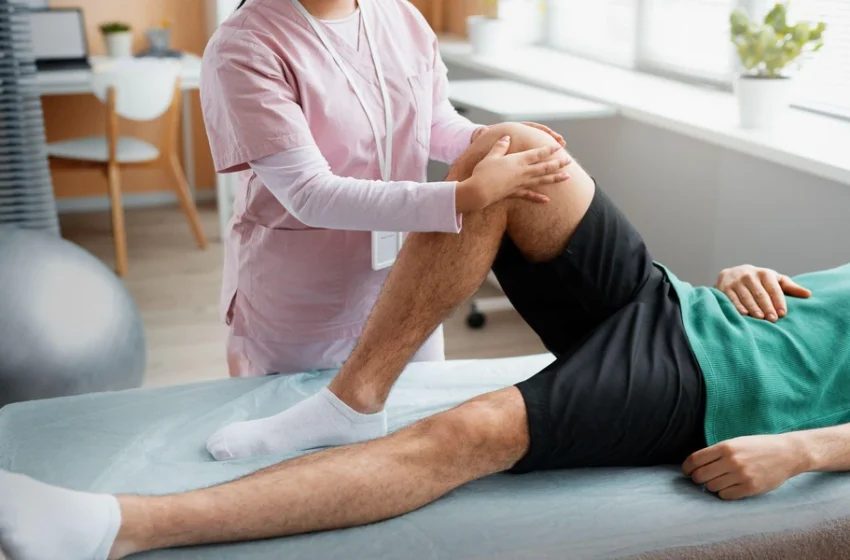
Exercise plays an important role in restoring knee function after surgery. Physiotherapy exercises help improve flexibility, strengthen muscles surrounding the knee, and restore balance. Following the prescribed rehabilitation programme is essential during the early stages of recovery.
As healing progresses, low-impact activities such as walking, stationary cycling, swimming, and light strength training are commonly introduced. These exercises improve endurance while placing relatively low stress on the replacement joint. High-impact activities, including running, jumping, or sports involving sudden twisting movements, may not be suitable for every patient because they can increase wear on the artificial joint. Activity choices should be discussed with an orthopaedic specialist based on individual recovery and long-term goals.
Maintaining Long-Term Knee Health
Recovery extends beyond the first few months after surgery. Maintaining a healthy body weight reduces stress on the knee, while regular exercise helps preserve strength and mobility. Patients should also continue attending follow-up appointments so progress can be monitored and rehabilitation adjusted when necessary.
Any persistent pain, increasing swelling, reduced movement, or signs of infection should be assessed promptly. Addressing concerns early helps prevent unnecessary setbacks during recovery.
Conclusion
Returning to work, driving, and exercise after knee replacement requires patience and gradual progression. Every patient recovers at a different pace, making personalised rehabilitation an important part of the process. Following medical advice, participating in physiotherapy, and avoiding activities that place excessive stress on the new joint support a smoother recovery. Regular reviews with an orthopaedic specialist help patients safely return to everyday activities after knee replacement surgery.
Reach out to Specialist Orthopaedic Centre and let us help you resume daily activities safely while protecting your new knee joint.
